

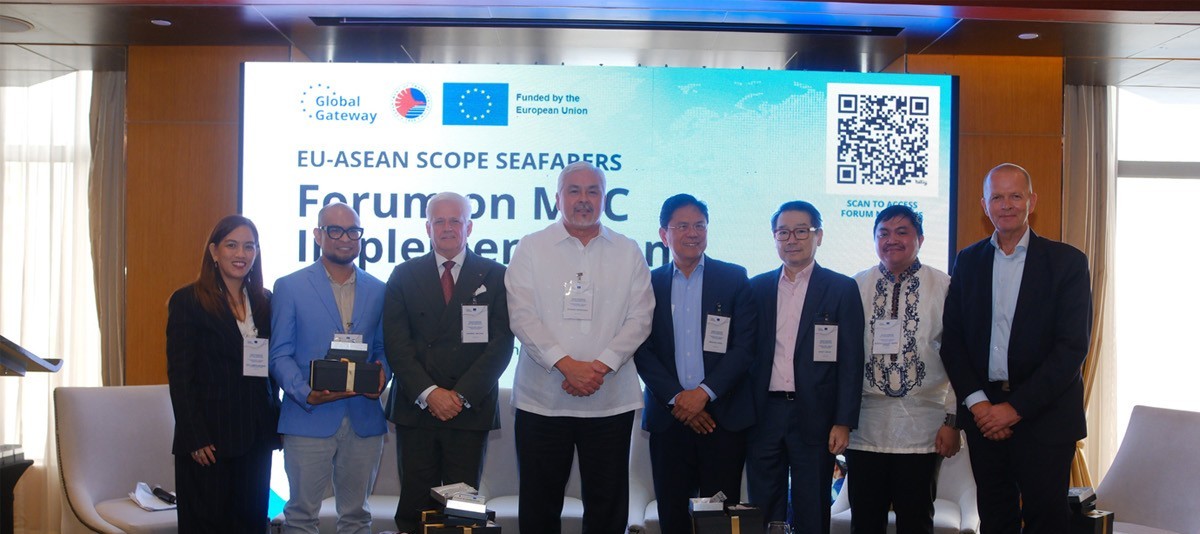
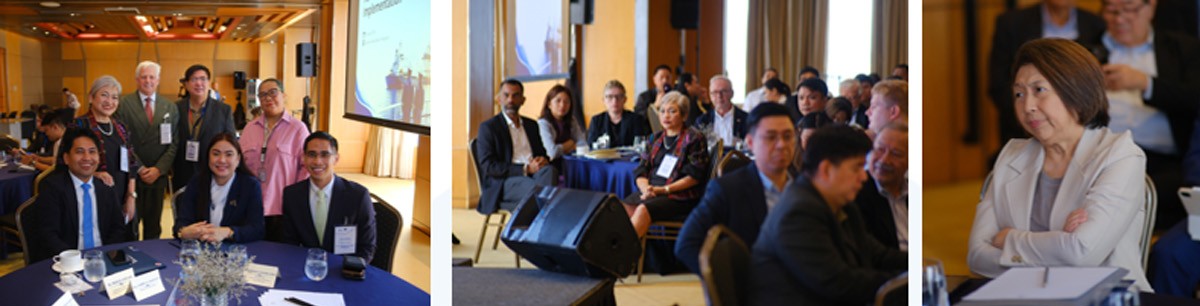
PTC took part in the EU-ASEAN SCOPE Seafarers Forum on Maritime Labour Convention (MLC) Implementation held on August 26, 2026, at the Diamond Hotel Manila, under the theme “Enhancing MLC Implementation: Bridging Standards and Practice.”
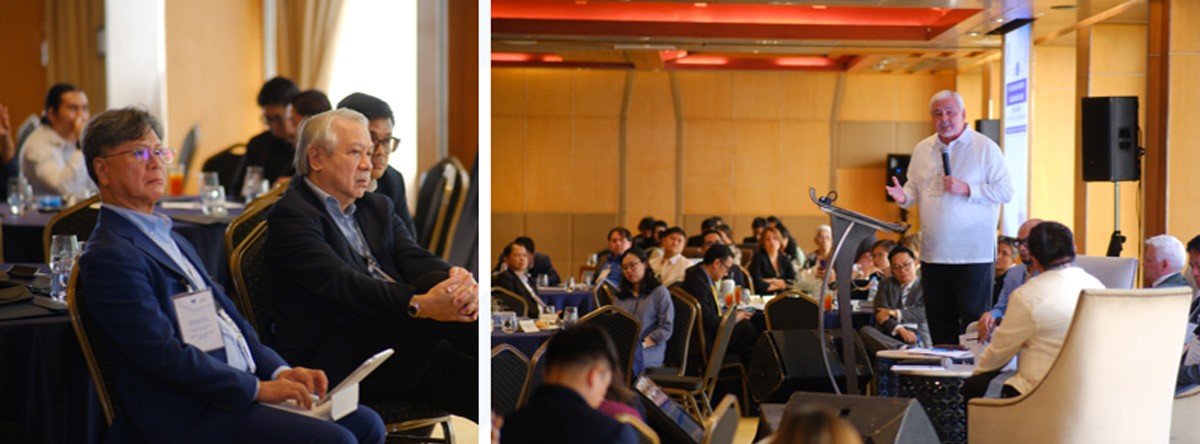
The Forum convened government, employers, seafarers’ representatives, maritime organizations, welfare groups, and other stakeholders to discuss how MLC standards are being applied in the Philippine context.
PTC was represented by Mr. Gerardo A. Borromeo, Chief Executive Officer; Ms. Beng Cristobal, PTCI Chief Operating Officer; Capt. Ronald Enrile, Senior Adviser for the Shipping Cluster; Ms. Karen Avelino, Executive Director for Business Development – Shipping; Capt. Pol Haboc, Vice President of PHILCAMSAT; and Ms. Gabrielle S. Balor, Special Projects Manager for Corporate Public Policy, Risks and Sustainability.
Dr. Marco Gemmer, Head of Cooperation, Delegation of the European Union to the Philippines, opened the Forum, followed by messages from senior government officials expressing commitment to MLC implementation and continued support for seafarer protection. Atty. Jabeth Sena Jepath A. Dacanay, Senior Expert on MLC, EU-ASEAN SCOPE Seafarers, introduced the Forum design and framed the discussions around bridging international standards and their practical application in the Philippines.
The program was structured around three panel sessions: regulatory convergence; financial security and the protection of seafarers’ livelihoods; and compliance in practice through judicial, regulatory, and dispute-resolution mechanisms. Together, the panels brought policy, industry, welfare, and enforcement perspectives into a single discussion on how the MLC can work more effectively.
Safeguarding Seafarers’ Livelihoods
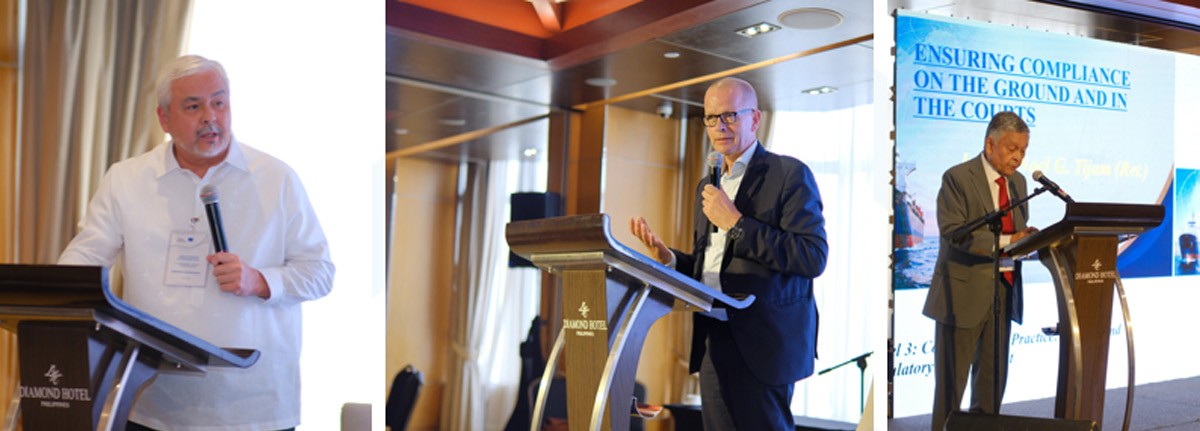
Representing the Filipino Shipowners Association (FSA) and International Chamber of Shipping (ICS), Mr. Borromeo joined the panel on “Financial Security & Protection – Safeguarding Seafarers’ Livelihoods.” The session examined issues affecting seafarers and employers, including geopolitical disruptions, abandonment, shipowner liability, claims management, and welfare protection.
Mr. Borromeo emphasized that business predictability is itself a form of protection. Rather than reducing employer obligations, the challenge is to ensure that the systems surrounding those obligations operate reliably and consistently. He also called for financial security to move from compensation to continuity, with greater emphasis on preserving a seafarer’s livelihood, access to care, timely return home, and long-term career.
While welfare concerns, difficult working conditions, and cases of distress must continue to be addressed, Mr. Borromeo stressed that Filipino seafarers should be recognized not primarily through the hardships they face, but as highly skilled global maritime professionals whose competence, professionalism, and contribution are essential to global shipping and trade. In his view, the Philippines has the opportunity to move beyond its traditional role as a major supplier of maritime talent and play a more active role in shaping the future of sustainable maritime careers.
The Forum also featured former Supreme Court Associate Justice Noel G. Tijam, who provided the judicial perspective on ensuring compliance on the ground and in the courts, highlighting the role of effective enforcement in making MLC protections work in practice.
Strategic Insights from the Forum
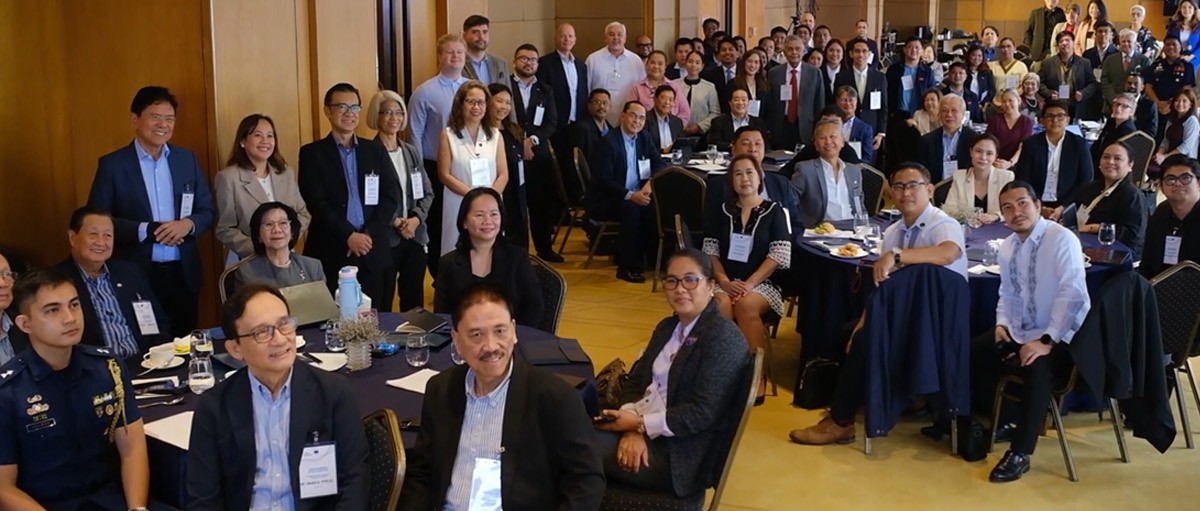
Twenty years into the MLC, the discussions underscored that the next challenge is not simply strengthening standards, but ensuring consistent implementation and reliable outcomes. This will require closer alignment among regulation, enforcement, financial security, dispute resolution, and welfare mechanisms.
The Forum concluded with closing remarks from Mr. Andreas Nordseth, Senior Adviser on Maritime Governance and Project Team Leader, EU-ASEAN SCOPE Seafarers, who highlighted the important role of the Philippines in advancing MLC implementation and in shaping the welfare and future of current and next-generation seafarers.
More broadly, the Forum reinforced the opportunity for the Philippines to build on its longstanding position as one of the world’s leading sources of global maritime professionals and become a stronger voice in shaping the policies and systems that will define the future of global seafaring.
Tags: